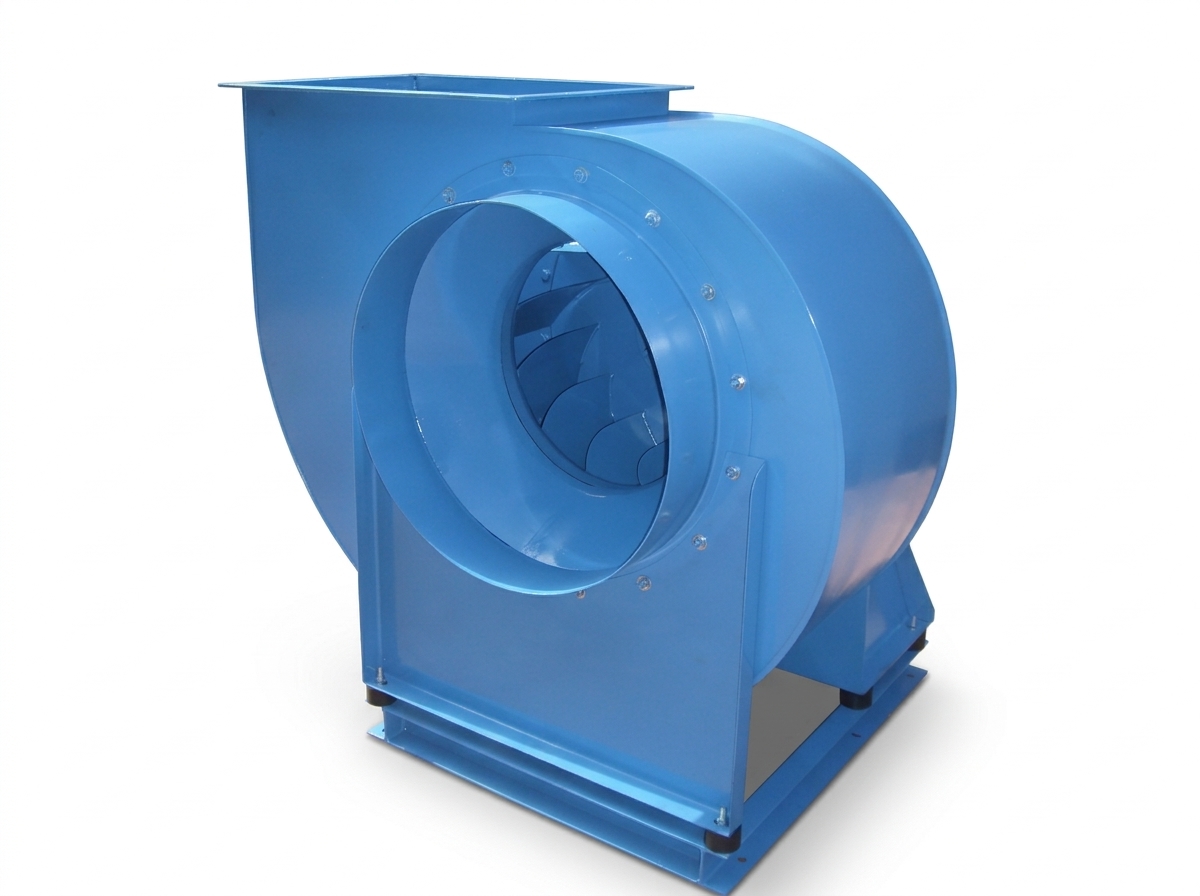
The main difference: how does the air move?
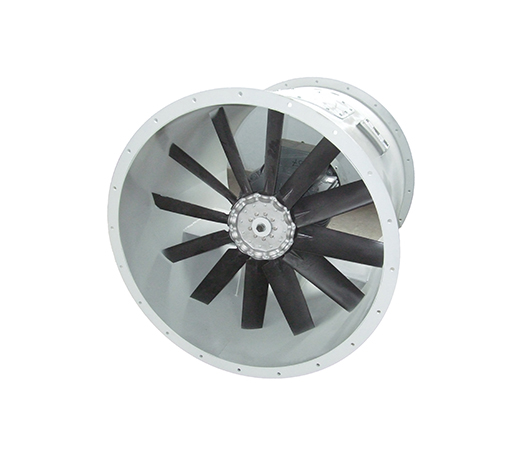
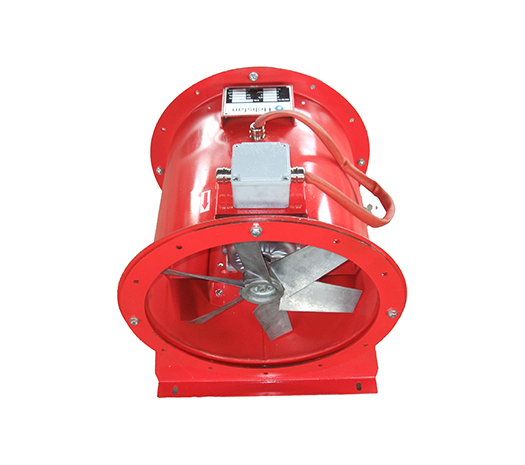
Axial fans deliver air parallel to the fan shaft. Working like a propeller, the blades move large volumes of air with low resistance; therefore, they are high flow rate at low pressure ideal for applications requiring.
Centrifugal fans on the other hand, draw air from the center and discharge it at a 90° angle inside the scroll casing. The centrifugal effect of the rotor imparts high pressure to the air; for systems with high resistance such as long duct lines, high-resistance systems centrifugal fans are preferred.
Which one for which application?
- Axial: general ventilation, fresh air supply, parking lot and fire pressurization, smoke extraction.
- Centrifugal: dust collection, combustion air, cooking and drying ovens, pneumatic conveying, filter units.
- Double-inlet centrifugal and plug fans: comfort applications requiring quiet operation and low air velocity, such as air handling units and exhaust cells.
Capacity ranges
Helisfan axial fans are manufactured in the range of 300 - 500,000 m³/h flow rate and 50 - 2,000 Pa pressure; single-inlet centrifugal fans are produced for lines requiring high static pressure. For double-inlet centrifugal fans, the range is 2,000 - 200,000 m³/h flow rate and 100 - 2,000 Pa pressure.
Short decision guide
If your system has few ducts, filters, or elbows and requires a large volume of air, start with an axial fan; if the line is long, filtered, or dust is being conveyed, start with a centrifugal fan. For the exact selection, you can view suitable models by entering your flow rate and pressure values into Fan Selection Assistant.