1. Air flow rate: volume × air change rate
The required flow rate is found by multiplying the volume of the space by the hourly air change coefficient. Depending on the purpose of use, the coefficient is generally between 6 and 30 per hour .
Example: The volume of a workshop measuring 40 m × 20 m × 6 m is 4,800 m³. If 10 air changes per hour are targeted, the required flow rate is 4,800 × 10 = 48.000 m³/h .
2. Static pressure: system resistance
For the fan to push air throughout the system, it must overcome the resistance created by friction in ducts, elbows, grilles, dampers, and especially filters. The sum of these resistances is the static pressure.
- that the fan must meet.
- Straight duct: friction loss per meter
- Elbows, contractions, and expansions: local losses
- Filter, heat exchanger, silencer: equipment losses
Louvers and grilles: inlet / outlet losses
3. Operating point and safety margin
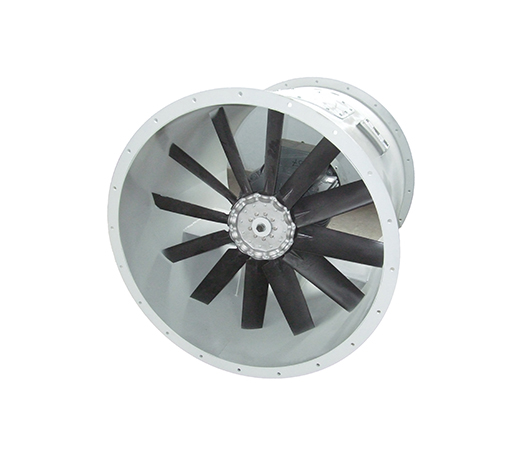
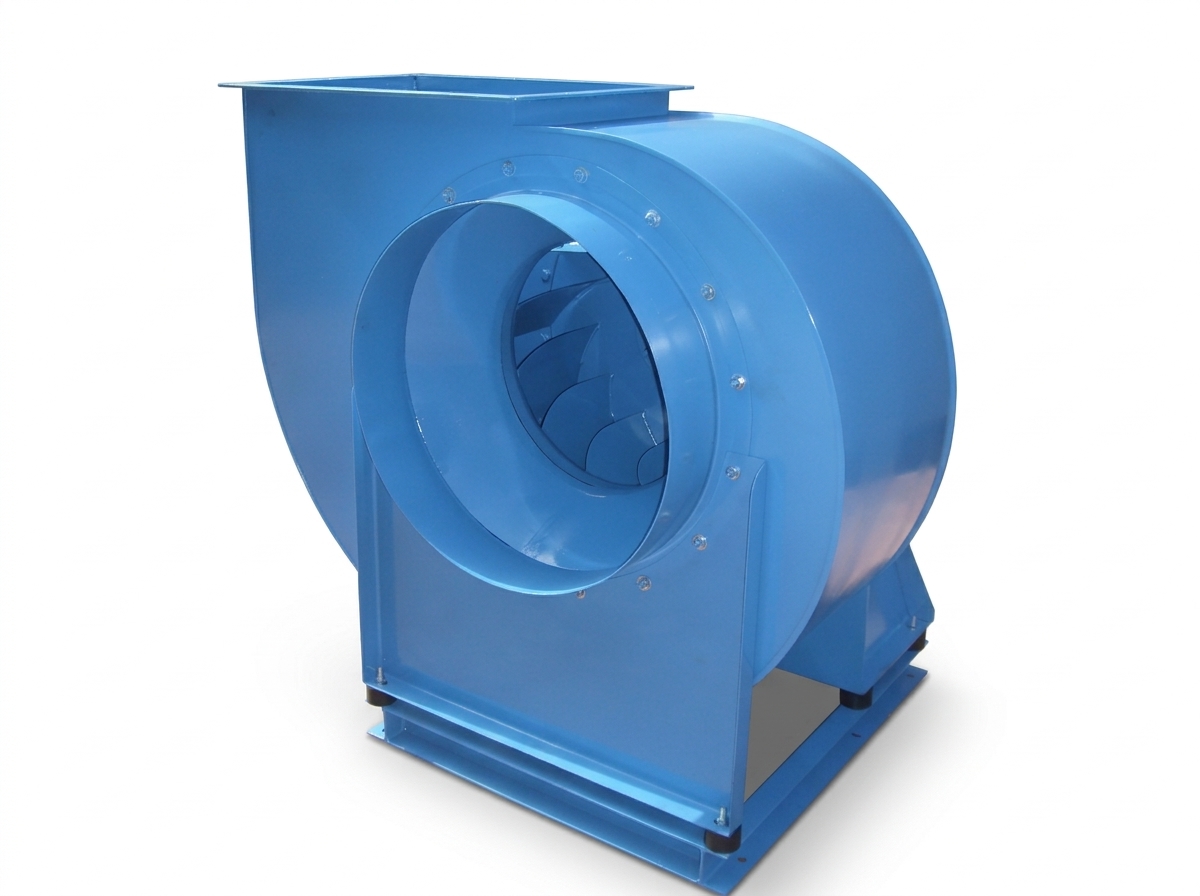
The calculated flow rate and pressure determine the operating point on the fan's performance curve. It is best to leave a reasonable safety margin in pressure for filter clogging and future additions. The 48,000 m³/h flow rate in the example can be met with an axial fan on a short and resistance-free line; if the same flow rate is required on a filtered or long duct line, a single-inlet centrifugal fan
is needed.
is required. Fan Selection AssistantAfter finding your values, you can list suitable models by entering your flow rate and pressure range into E-Catalog, and examine all dimension and performance tables. If you are unsure about the calculation, our engineers can perform the facility-specific calculation for you.